
How Many Days Should You Spend in Hanoi? A Local Guide for Every Traveler
Planning your first trip to Vietnam often starts with one important question:
How many days should you spend in Hanoi?
The answer depends on your travel style, interests, and whether Hanoi is your final destination or just the beginning of a longer Vietnam adventure.
Some travelers only have one day before heading to Halong Bay, while others use Hanoi as a base to explore northern Vietnam. The good news is that Hanoi is a compact city where many attractions are located close to each other, making it easy to discover a lot in just a few days.
As local tour guides who have welcomed visitors from around the world for many years, we’ve found that three days is the ideal amount of time for most first-time visitors. It allows you to explore the city’s rich history, taste its famous street food, experience local culture, and even take a short day trip outside the city.
In this guide, we’ll help you decide exactly how many days you need in Hanoi and show you what you can realistically experience with one, two, three, four, or even five days.
Quick Answer
If you’re short on time, here’s a simple guide:
| Length of Stay | Recommended? | Best For |
|---|---|---|
| 1 Day | ⭐⭐⭐ | Transit travelers and short stopovers |
| 2 Days | ⭐⭐⭐⭐ | First-time visitors with limited time |
| 3 Days | ⭐⭐⭐⭐⭐ | Most travelers (Highly Recommended) |
| 4 Days | ⭐⭐⭐⭐⭐ | Travelers who enjoy a slower pace |
| 5+ Days | ⭐⭐⭐⭐ | Exploring Hanoi plus nearby destinations |
For most visitors, three days in Hanoi offers the perfect balance between sightseeing, food experiences, cultural activities, and relaxation.
Is One Day in Hanoi Enough?
If you only have one day in Hanoi, don’t worry—you can still experience many of the city’s highlights. However, your visit will be fast-paced, and you’ll need to prioritize the attractions that interest you most.
A well-planned itinerary can include several of Hanoi’s most iconic landmarks without feeling too rushed.
Suggested One-Day Highlights
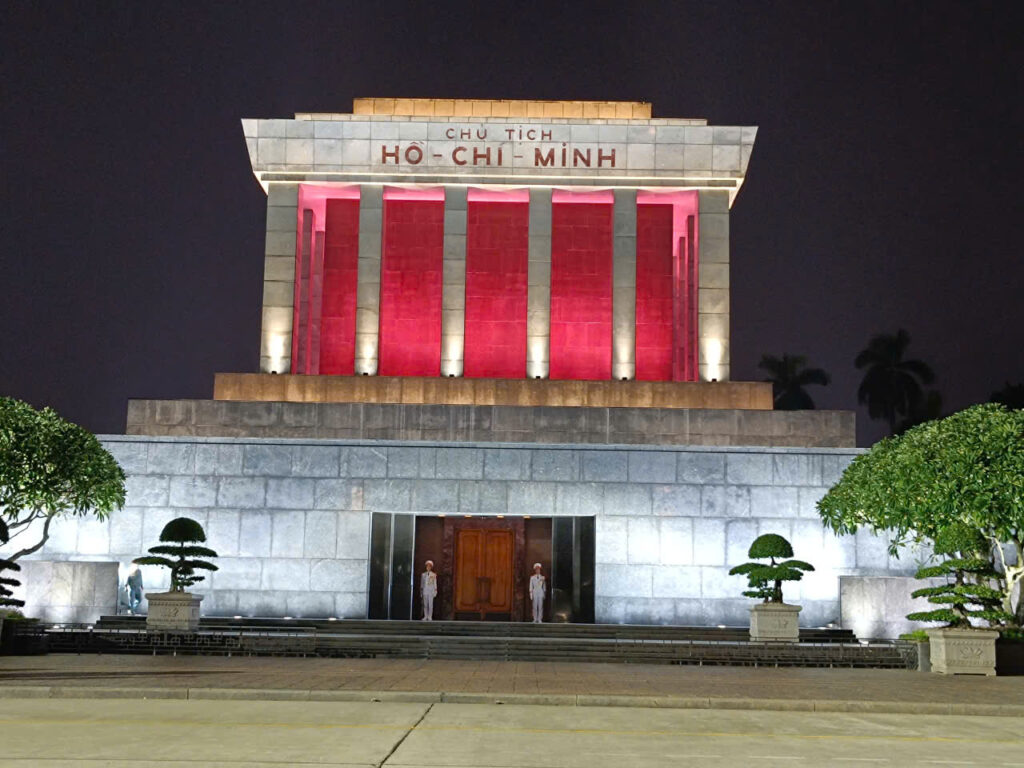
- Ho Chi Minh Mausoleum Complex
- One Pillar Pagoda
- Temple of Literature
- Train Street
- Hoan Kiem Lake
- Hanoi Old Quarter
- Egg Coffee
- Water Puppet Show (optional)
This itinerary gives you a glimpse into Hanoi’s fascinating history while also allowing time to experience its famous street life and local cuisine.
If you’re traveling with family or simply prefer a more relaxed experience, consider booking a private city tour. Having a local guide and private transportation saves valuable time and allows you to visit more places comfortably.
Pros of Staying One Day
✓ Perfect for stopovers
✓ Covers the city’s main attractions
✓ Easy to combine with Halong Bay or Ninh Binh
Limitations
One day isn’t enough to truly appreciate Hanoi’s unique atmosphere.
You’ll have little time to wander through hidden alleyways, discover local cafés, or enjoy the slower rhythm that makes the city so charming.
Is Two Days Enough in Hanoi?
Two days is a significant improvement over a one-day visit.
With an extra day, you can slow down, spend more time exploring different neighborhoods, and enjoy Hanoi beyond its most famous tourist attractions.
This is an excellent option if you’re planning a two-week trip across Vietnam and need to balance your time between multiple destinations.
Suggested Two-Day Itinerary
Day One
Focus on Hanoi’s historical and cultural landmarks.
Visit:
- Ho Chi Minh Mausoleum
- Presidential Palace
- One Pillar Pagoda
- Temple of Literature
- Hoa Lo Prison
- Hoan Kiem Lake
In the evening, stroll through the Old Quarter and sample local specialties such as Bun Cha or Pho.
Day Two
Spend your second day discovering Hanoi’s local lifestyle.
Visit places like:

- West Lake
- Tran Quoc Pagoda
- Local market
- Hidden cafés
- Train Street
- Dong Xuan Market
If your schedule allows, consider joining a guided street food tour in the evening. Many visitors say it’s one of the highlights of their trip to Hanoi.
Why Two Days Feels Better
Two days gives you enough flexibility to:
- Visit attractions without rushing
- Experience Hanoi’s café culture
- Try several local dishes
- Explore neighborhoods on foot
- Enjoy nightlife around Hoan Kiem Lake
Instead of simply checking attractions off a list, you’ll begin to experience what daily life in Hanoi feels like.
Is Three Days the Perfect Amount of Time?
For most travelers, absolutely.
Three days offers the best balance between sightseeing, cultural experiences, local food, and relaxation.
This is the itinerary we recommend most often to our guests because it provides enough time to explore both the city’s famous landmarks and its hidden gems without feeling exhausted.
You’ll have the freedom to:
- Visit all major attractions
- Join a street food tour
- Explore Hanoi’s quieter neighborhoods
- Visit museums at a comfortable pace
- Enjoy local coffee shops
- Watch the city come alive in the evening
Perhaps most importantly, you’ll have time to slow down.
Hanoi isn’t a city that should be rushed.
Some of the best experiences happen unexpectedly—watching elderly residents play chess beside Hoan Kiem Lake, chatting with café owners, or discovering a tiny family-run restaurant tucked away in a narrow alley.
These moments often become the memories travelers cherish most.
The Perfect 3-Day Hanoi Itinerary
If it’s your first time visiting Hanoi, we believe three days is the ideal amount of time. It gives you enough opportunity to discover the city’s history, taste authentic Vietnamese cuisine, experience local culture, and still enjoy a relaxed pace.
Rather than rushing from one attraction to another, you’ll have time to appreciate the small details that make Hanoi so memorable.
Day 1 – Discover Hanoi’s Historic Heart
Start your journey by exploring the city’s most famous historical landmarks.
Morning
Begin early at Ho Chi Minh Mausoleum Complex, one of Vietnam’s most important historical sites. If the mausoleum is open during your visit, arriving before 8:00 AM helps you avoid long queues and the midday heat.
Nearby, you can also visit:
- Presidential Palace
- Ho Chi Minh’s Stilt House
- One Pillar Pagoda
Together, these attractions offer valuable insight into modern Vietnamese history.
Late Morning
Continue to the Temple of Literature, Vietnam’s first national university, founded in 1070. Its peaceful courtyards and traditional architecture provide a welcome contrast to the bustling streets outside.
If you’re interested in history, this is one of Hanoi’s must-see attractions.
Lunch
Try one of Hanoi’s signature dishes:
- Bun Cha
- Pho Bo
- Bun Rieu
- Cha Ca
Eating at a family-run local restaurant often provides a more authentic experience than larger tourist-oriented venues.
Afternoon
Visit Hoa Lo Prison Museum, commonly known as the “Hanoi Hilton.” The museum presents a fascinating overview of Vietnam’s colonial history and wartime experiences.
Afterwards, take a leisurely walk around Hoan Kiem Lake, the symbolic heart of Hanoi.

- Don’t miss:
- Ngoc Son Temple
- The Huc Bridge
- Turtle Tower
Evening
As the sun sets, wander through the narrow streets of the Old Quarter.
This area truly comes alive at night, with street food vendors, cafés, souvenir shops, and lively nightlife.
Finish the evening with a traditional Vietnamese Egg Coffee while watching local life unfold around you.
Day 2 – Experience Local Hanoi
Your second day is all about seeing Hanoi beyond the famous landmarks.
This is when many travelers fall in love with the city.
Early Morning
Wake up before 7:00 AM and head to Hoan Kiem Lake.
Every morning you’ll find local residents:
- Practicing Tai Chi
- Dancing
- Exercising
- Playing badminton
- Drinking tea with friends
It’s one of the most authentic cultural experiences in Hanoi—and completely free.
Breakfast
Enjoy a traditional Vietnamese breakfast.
Some excellent local choices include:
- Pho
- Banh Cuon
- Xoi
- Banh Mi
Ask your guide for recommendations rather than relying solely on online ratings.
Mid-Morning
Visit Train Street.
Although access regulations change from time to time, many cafés nearby still offer a unique perspective on this famous railway.
If you plan to visit, always follow local guidance and safety instructions.
Continue to West Lake
West Lake offers a completely different atmosphere from the Old Quarter.
Here you’ll find:
- Wide lakeside roads
- Quiet cafés
- Luxury villas
- Local temples
- Beautiful sunset viewpoints
It’s an excellent place to rent a bicycle or simply enjoy a peaceful walk.
Visit Tran Quoc Pagoda
Located on a small island beside West Lake, Tran Quoc Pagoda is Hanoi’s oldest Buddhist temple.
Its peaceful surroundings make it one of the city’s most photogenic locations.
Afternoon
Spend the afternoon exploring areas that many tourists miss.
Examples include:
- Local wet markets
- Hidden alleyways
- Independent coffee shops
- Artisan boutiques
- Residential neighborhoods
These quieter corners often reveal the true character of Hanoi.
Evening
Join a Hanoi Street Food Tour.
A knowledgeable local guide can introduce you to family-owned restaurants and dishes that are difficult to find on your own.
Popular foods include:
- Bun Cha
- Banh Goi
- Nem Ran
- Banh Cuon
- Sticky Rice
- Fresh Fruit
- Egg Coffee
Many visitors tell us this becomes the highlight of their entire Vietnam trip.
Day 3 – Choose Your Own Adventure
By your third day, you’ve already explored Hanoi’s major attractions.
Now it’s time to personalize your experience.
Depending on your interests, you have several excellent options.
Option 1 – Explore Hidden Hanoi
Perfect for travelers who enjoy photography, local culture, and slow travel.
Visit:
- Long Bien Bridge
- Banana Island
- Local flower market
- Ancient apartment buildings
- Hidden cafés
- Artisan workshops
This side of Hanoi is rarely included in guidebooks but offers some of the city’s most memorable experiences.
Option 2 – Visit Bat Trang Pottery Village
Located about 30–40 minutes from Hanoi’s center, Bat Trang has been producing ceramics for over 700 years.
Here you can:
- Watch local artisans
- Paint your own pottery
- Visit traditional kilns
- Shop for handmade souvenirs
It’s a wonderful half-day excursion suitable for families and couples.
Option 3 – Discover Duong Lam Ancient Village
If you’re interested in Vietnamese history, Duong Lam offers a fascinating glimpse into rural life.
Highlights include:
- Ancient laterite houses
- Quiet village roads
- Traditional temples
- Local cuisine
- Rice fields
Unlike Hanoi’s busy streets, the village moves at a much slower pace.
Option 4 – Vietnamese Cooking Class
Food lovers often choose to spend their final day learning how to prepare authentic Vietnamese dishes.
Most classes include:
- A visit to a local market
- Ingredient selection
- Hands-on cooking
- Lunch with the dishes you’ve prepared
It’s a fun and practical way to bring a piece of Vietnam home with you.
Option 5 – Relax Like a Local
Not every day needs a packed itinerary.

- Spend your final day:
- Reading in a café
- Shopping for souvenirs
- Visiting bookstores
- Enjoying Vietnamese coffee
- Walking around Hoan Kiem Lake
- Watching daily life unfold
Sometimes the best travel memories come from slowing down rather than rushing to another attraction.
Should You Stay Four Days in Hanoi?
If your schedule allows, four days offers an even more rewarding experience.
Instead of trying to fit everything into three busy days, you’ll have time to explore at a comfortable pace while also visiting destinations just outside the city.
A fourth day is especially worthwhile if you enjoy culture, photography, food, or simply prefer slower travel.
Many travelers use the extra day for one of these popular excursions:
- Ninh Binh – Often called the “Halong Bay on land,” famous for limestone mountains, peaceful rivers, and ancient temples.
- Halong Bay – Cruise through one of the world’s most iconic natural landscapes on a full-day trip.
- Duong Lam Ancient Village – Step back in time as you wander through centuries-old houses and quiet village lanes.
- Bat Trang Pottery Village – Learn about traditional ceramics and create your own pottery.
Returning to Hanoi in the evening gives you another opportunity to enjoy the city’s vibrant atmosphere before continuing your journey through Vietnam.
Local Tip from Our Guides
One of the biggest mistakes first-time visitors make is trying to see everything in Hanoi.
The city’s charm isn’t just found in famous landmarks—it’s in the everyday moments. Sitting on a tiny plastic stool enjoying a bowl of pho, watching life unfold around Hoan Kiem Lake, or chatting with a café owner often creates more lasting memories than checking another attraction off your list.
If you have the flexibility, slow down. Hanoi rewards travelers who take the time to experience it rather than simply pass through it.
Frequently Asked Questions
Is Hanoi Worth Visiting?
Absolutely. Hanoi is one of Southeast Asia’s most fascinating capitals, offering a unique blend of ancient history, French colonial architecture, vibrant street life, and incredible cuisine. Whether you’re interested in culture, history, photography, or food, Hanoi has something for every traveler.
Many visitors arrive expecting to spend just a day or two but end up wishing they had planned a longer stay.
Is Three Days Enough in Hanoi?
Yes. For most first-time visitors, three days is the perfect amount of time.

- You’ll be able to:
- Visit the city’s major attractions
- Explore the Old Quarter
- Enjoy authentic street food
- Experience local coffee culture
- Visit museums and temples
- Discover quieter neighborhoods beyond the tourist areas
Three days also gives you the flexibility to travel at a comfortable pace without feeling rushed.
Can You Explore Hanoi Without a Tour Guide?
Yes, Hanoi is relatively easy to explore on your own. Many attractions are located close together, and ride-hailing apps like Grab make transportation convenient.
However, traveling with a local guide offers a very different experience. Beyond navigating the city, you’ll gain deeper insights into Vietnam’s history, culture, traditions, and everyday life—stories that aren’t always found in guidebooks.
For travelers with limited time, a private guide can also help maximize the day by planning an efficient route and avoiding unnecessary backtracking.
What Is the Best Area to Stay in Hanoi?
The Old Quarter is the most popular choice, especially for first-time visitors.
Staying here means you’ll be within walking distance of many attractions, restaurants, cafés, and markets.
If you prefer a quieter atmosphere, the French Quarter or the West Lake area offers more spacious streets, lakeside cafés, and a relaxed environment.
Is Hanoi Walkable?
Yes.
Many of Hanoi’s most famous attractions are located within a relatively small area.
Walking is one of the best ways to experience the city’s atmosphere, especially around:
- Hoan Kiem Lake
- The Old Quarter
- French Quarter
Just remember that crossing the street in Hanoi may feel intimidating at first. Walk slowly and steadily, allowing motorbikes to move around you rather than making sudden stops.
What Is the Best Time of Year to visit Hanoi?
The most pleasant weather is usually between October and April, when temperatures are cooler and humidity is lower.
Autumn (September to November) is especially popular thanks to its comfortable climate and beautiful scenery.
Spring (March and April) is another excellent time to visit, with blooming flowers and mild temperatures.
Should I Stay Longer Than Three Days?
If Hanoi is your only destination in northern Vietnam, staying four or five days is an excellent idea.
The extra time allows you to:
- Visit lesser-known neighborhoods
- Enjoy local cafés
- Take a cooking class
- Explore nearby villages
- Join a day trip to Halong Bay or Ninh Binh
Many travelers appreciate having additional time to experience Hanoi at a slower pace.
Is Hanoi Safe for Tourists?
Yes. Hanoi is generally considered a safe destination for international visitors.
Like any major city, it’s important to stay aware of your surroundings, especially in crowded areas where pickpocketing can occasionally occur.
When crossing busy streets, remain calm and walk at a steady pace. Motorbike traffic may seem overwhelming at first, but local drivers are accustomed to pedestrians and usually adjust their route accordingly.
Can I Visit Hanoi During the Rainy Season?
Yes.
From May to September, Hanoi experiences more rainfall, but showers are often short and followed by sunshine.
Traveling during this period also comes with several advantages:
- Lower hotel prices
- Fewer international tourists
- Lush green parks and gardens
Packing a lightweight rain jacket or umbrella is usually enough to enjoy your trip comfortably.
Is Hanoi Family-Friendly?
Definitely.
Families with children often enjoy attractions such as:
- Hoan Kiem Lake
- Water Puppet Show
- Bat Trang Pottery Village
- West Lake
- Hanoi Botanical Garden
Private tours are particularly convenient for families, as the itinerary can be customized to match children’s interests and energy levels.