
Everything You Need to Know Before Visiting Hanoi’s Oldest Pagoda
If you’re planning a trip to Hanoi, Tran Quoc Pagoda should be at the top of your itinerary. Located on a small island along the peaceful shores of West Lake, this ancient Buddhist temple is one of the most beautiful and spiritually significant landmarks in Vietnam’s capital.
With a history spanning more than 1,500 years, Tran Quoc Pagoda offers visitors a perfect blend of history, architecture, religion, and stunning lakeside scenery.
As a licensed local tour guide born and raised in Hanoi, I’ve brought hundreds of travelers here over the years. Every season gives the pagoda a different atmosphere—from the fresh blossoms of spring to the peaceful sunsets over West Lake.
This guide covers everything you need to know before visiting.
Where Is Tran Quoc Pagoda?
Tran Quoc Pagoda is located on Thanh Nien Road, between West Lake (Ho Tay) and Truc Bach Lake, just a short drive from Hanoi’s Old Quarter.
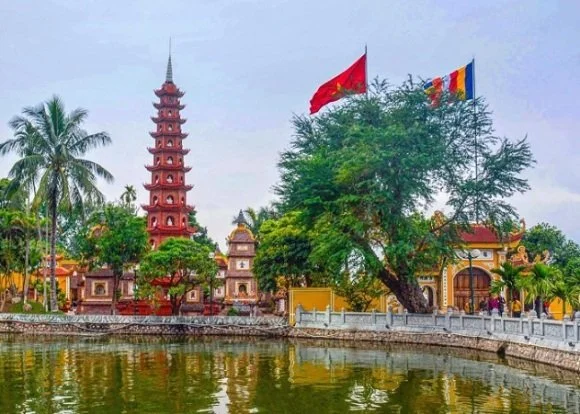
The pagoda sits on a small island connected to the mainland by a charming stone bridge, creating one of Hanoi’s most picturesque settings.
Its central location makes it easy to combine with other famous attractions, including:
Quan Thanh Temple
Ho Chi Minh Mausoleum
One Pillar Pagoda
Temple of Literature
West Lake
The History of Tran Quoc Pagoda
Tran Quoc Pagoda is considered the oldest Buddhist temple in Hanoi.
It was originally built in the 6th century during the reign of Emperor Ly Nam De and was first known as Khai Quoc Pagoda, meaning “Founding the Nation.”
The temple was originally located along the Red River. Due to riverbank erosion, it was relocated to its present location on Kim Ngu Islet in the early 17th century.
In the 15th century, the pagoda was renamed Tran Quoc, meaning “Protecting the Nation,” reflecting its important spiritual role in Vietnamese history.
Throughout different dynasties, Tran Quoc Pagoda became a place where emperors, monks, and local people came to pray for peace, prosperity, and national stability.
Today, it remains an active place of worship and one of Hanoi’s most visited cultural attractions.
Why Visit Tran Quoc Pagoda?
Tran Quoc Pagoda offers much more than beautiful photographs.
Visitors come here to:
- Discover over 1,500 years of Vietnamese history.
- Experience one of the country’s most important Buddhist sites.
- Admire traditional Vietnamese architecture.
- Enjoy peaceful views over West Lake.
- Learn about Buddhism in Vietnam.
- Escape the busy streets of Hanoi for a quiet cultural experience.
Many travelers say the pagoda is one of the most peaceful places in the city.
Highlights of Tran Quoc Pagoda
The 11-Story Lotus Tower
One of the pagoda’s most recognizable landmarks is the striking red lotus tower.
Standing approximately 15 meters (49 feet) tall, the tower has 11 levels, each containing a white Amitabha Buddha statue.
It has become one of the most photographed symbols of Hanoi.
The Bodhi Tree
Behind the main temple stands a sacred Bodhi tree.
This tree was grown from a cutting of the original Bodhi Tree in Bodh Gaya, India—the place where Siddhartha Gautama is believed to have attained enlightenment.
The tree was presented to Vietnam by the President of India in 1959 and remains one of the pagoda’s most meaningful symbols.
Main Worship Hall
Inside the main hall, visitors will find beautifully decorated altars dedicated to various Buddhas and Bodhisattvas.
The interior showcases traditional Vietnamese Buddhist art, intricate wood carvings, and centuries-old religious statues.
Please remember that this is an active place of worship, so respectful behavior is appreciated.
Best Time to Visit
Tran Quoc Pagoda is beautiful throughout the year.
However, I usually recommend:
Early Morning (7:00–9:00 AM)
The pagoda is quiet, the weather is cooler, and you’ll often see local people praying.
Late Afternoon (4:00–6:00 PM)
Sunset over West Lake creates one of the most beautiful views in Hanoi.
Avoid major Vietnamese holidays if you prefer fewer crowds.
Opening Hours
Tran Quoc Pagoda is generally open every day.
Typical visiting hours are:
8:00 AM – 4:00 PM
Opening hours may vary during religious festivals or public holidays.
Entrance Fee
Good news—admission to Tran Quoc Pagoda is free.
Visitors are welcome to make a small donation if they wish to support the maintenance of the temple.
Dress Code
Because Tran Quoc is a sacred Buddhist temple, modest clothing is recommended.
Please avoid:
- Sleeveless tops
- Short skirts
- Short shorts
- Revealing clothing
Comfortable shoes are also recommended, as you’ll be walking around the temple grounds.
Photography Tips
Photography is allowed in most outdoor areas.
For the best photos:
Respect worshippers and avoid using flash inside prayer halls if photography is permitted.
Visit early in the morning.
Capture reflections on West Lake.
Photograph the lotus tower from the entrance bridge.
Nearby Attractions
Since Tran Quoc Pagoda is close to many of Hanoi’s famous landmarks, you can easily combine your visit with:
- West Lake
- Quan Thanh Temple
- Ho Chi Minh Mausoleum
- One Pillar Pagoda
- Temple of Literature
- Hanoi Old Quarter
Many visitors include these attractions in a full-day Hanoi city tour.
Local Tips from a Hanoi Tour Guide
After visiting Tran Quoc Pagoda with travelers from around the world, here are a few tips I always share:
- Visit on a weekday morning if possible, as weekends can be much busier.
- Take a walk along Thanh Nien Road after your visit—the views over West Lake and Truc Bach Lake are especially beautiful.
- If you’re interested in local food, stop by a nearby café for Vietnamese coffee or try pho cuon (rolled pho), a specialty of the Truc Bach area.
- Bring a hat and water during the summer months, as the lakeside can be quite hot around midday.
These small details often make the visit more enjoyable.
Frequently Asked Questions
Is Tran Quoc Pagoda worth visiting?
Yes. It’s one of Hanoi’s oldest and most beautiful cultural landmarks, offering a peaceful atmosphere and rich history.
How much time should I spend there?
Most visitors spend 30–60 minutes exploring the temple grounds.
Can tourists enter the prayer halls?
Yes, in many areas visitors are welcome, but always remain quiet and respectful.
Is Tran Quoc Pagoda suitable for children?
Absolutely. Families often enjoy the peaceful surroundings and scenic lakeside setting.
Explore Hanoi with a Local Guide
Visiting Tran Quoc Pagoda is even more rewarding when you understand the stories behind its history, architecture, and Buddhist traditions.
I’m a licensed English-speaking tour guide born and raised in Hanoi, and I specialize in private, flexible tours that go beyond the typical tourist route. Along with famous landmarks like Tran Quoc Pagoda, I enjoy introducing visitors to hidden neighborhoods, authentic local food, and the everyday life that makes Hanoi so special.
If you’re planning your visit, I’d be happy to help create a personalized itinerary that matches your interests and travel style.
Related Tours
- Private Hanoi City Tour
- Half-Day Hanoi City Tour
- Hanoi Military History Tour
- Hanoi Street Food Tour